— Medical & dental practices
Hygiene,
down to the suctioned air.
In a medical practice, dental practice, medical centre or physiotherapy clinic, hygiene allows no compromise. A central vacuum ensures the vacuumed air is never blown back into the treatment room or the waiting room — no recirculation near patients: it is discharged where the central unit sits, away from the rooms — and its remote motor in a utility room makes cleaning between rooms fast and silent. All while respecting the waiting room.
— The medical requirement
Don't blow
air back into the treatment room.
A standard vacuum blows part of the suctioned air, laden with fine dust, back into the room. In the treatment room as in the waiting room, that's the opposite of the hygiene expected of a medical or dental practice.
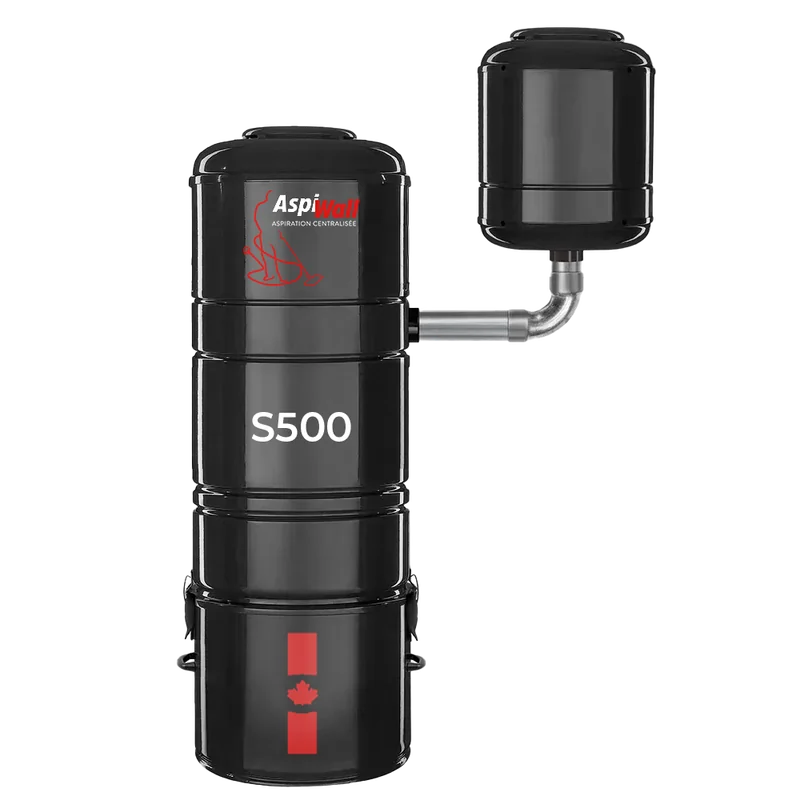
A central vacuum sends the vacuumed air to a central unit placed away from the rooms: it is never blown back into the treatment room or the waiting room, but discharged where the central unit sits — a utility room, a ventilated crawl space or outside, depending on the installation. No recirculation near patients. The remote motor makes cleaning fast and silent between rooms or patients — the hygiene solution expected in healthcare professional buildings. The hose type — retractable or traditional — is determined on site depending on use: discover our retractable hoses.
Built for
hygiene
- Vacuumed air never blown back into the treatment room: no recirculation near patients
- Remote motor in a utility room: silent cleaning
- Silent cleaning, respecting the waiting room
- Less fine dust put back into circulation
- Retractable or traditional hose determined on site
— Fitting out the practice?
Integrate it
from the fit-out.
Creating or renovating a practice: this is the time to integrate a central vacuum. Ducts run through partitions before the finishes, for well-placed inlets in treatment and waiting rooms.
AspiWall places the inlets in the treatment rooms and the waiting room, and puts the central unit in a utility room. The network stays invisible, built into the structure. See our approach to professional buildings.
PLAN FROM THE START
Treatment & waiting rooms
- Inlets in each treatment room
- Inlet in the waiting room
- Central unit in a utility room, away
- Ducts built into partitions before finishes
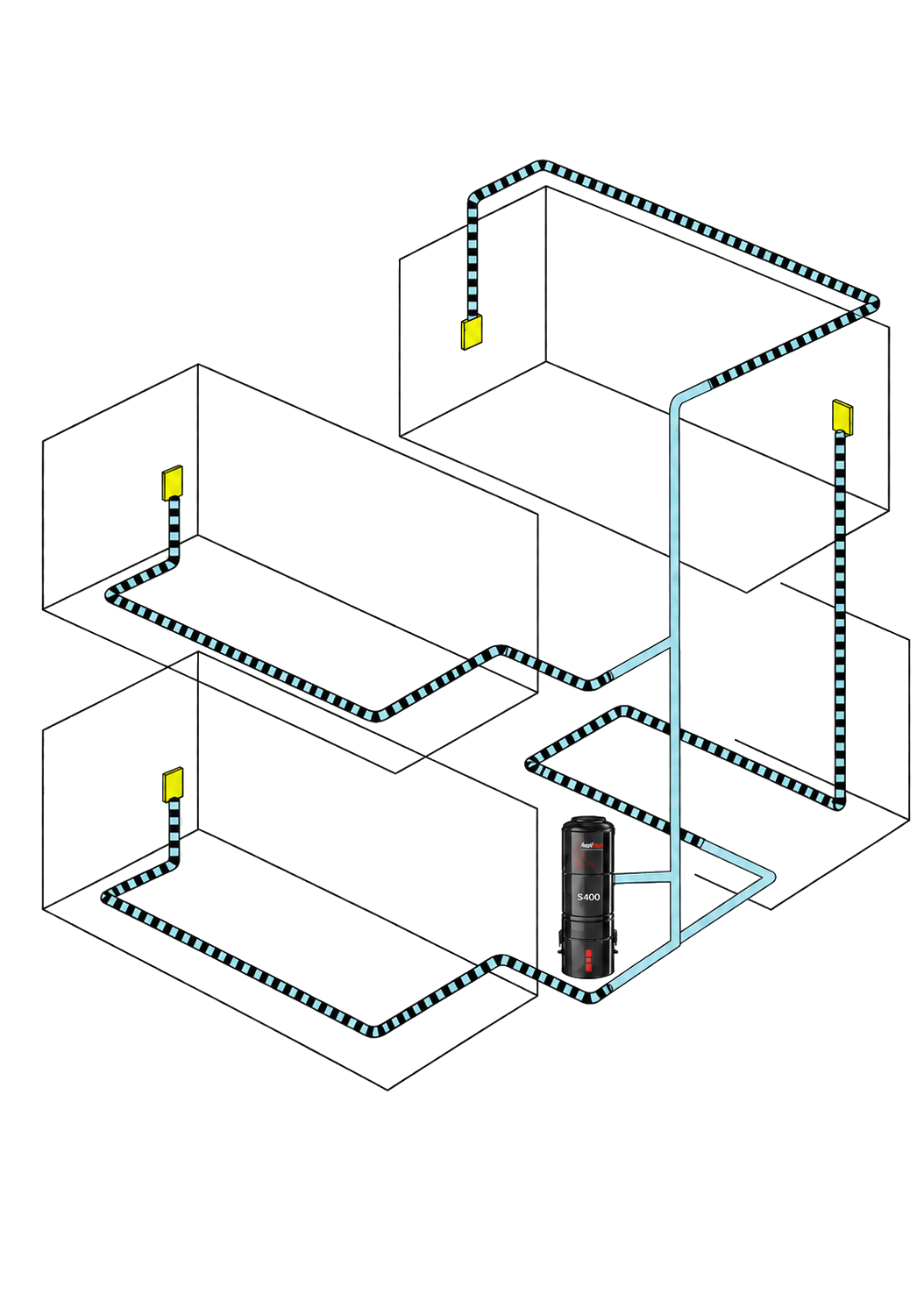
AspiWall network · design and installation to plan, throughout Belgium
— Standard vacuum vs central vacuum
Where does
the air go?
A standard vacuum, a robot or a stick vacuum filters part of the dust but blows the air back into the room where it runs. With an AspiWall central vacuum, the dirt is sent to the central unit and the vacuumed air is expelled out of the living areas or out of the occupied zones, which limits the re-suspension of fine dust. That is what makes the difference in buildings open to the public and places sensitive to dust.
— Made by Trovac
A benchmark for
air quality.
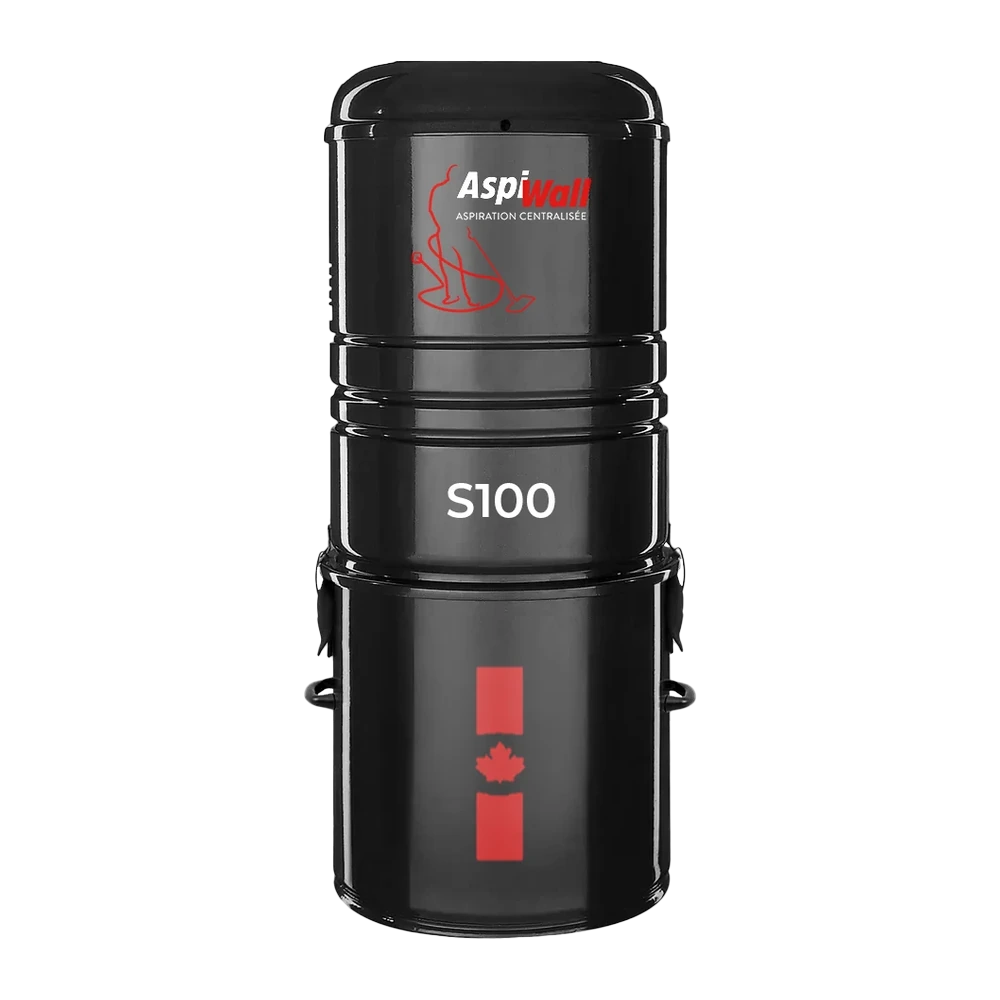
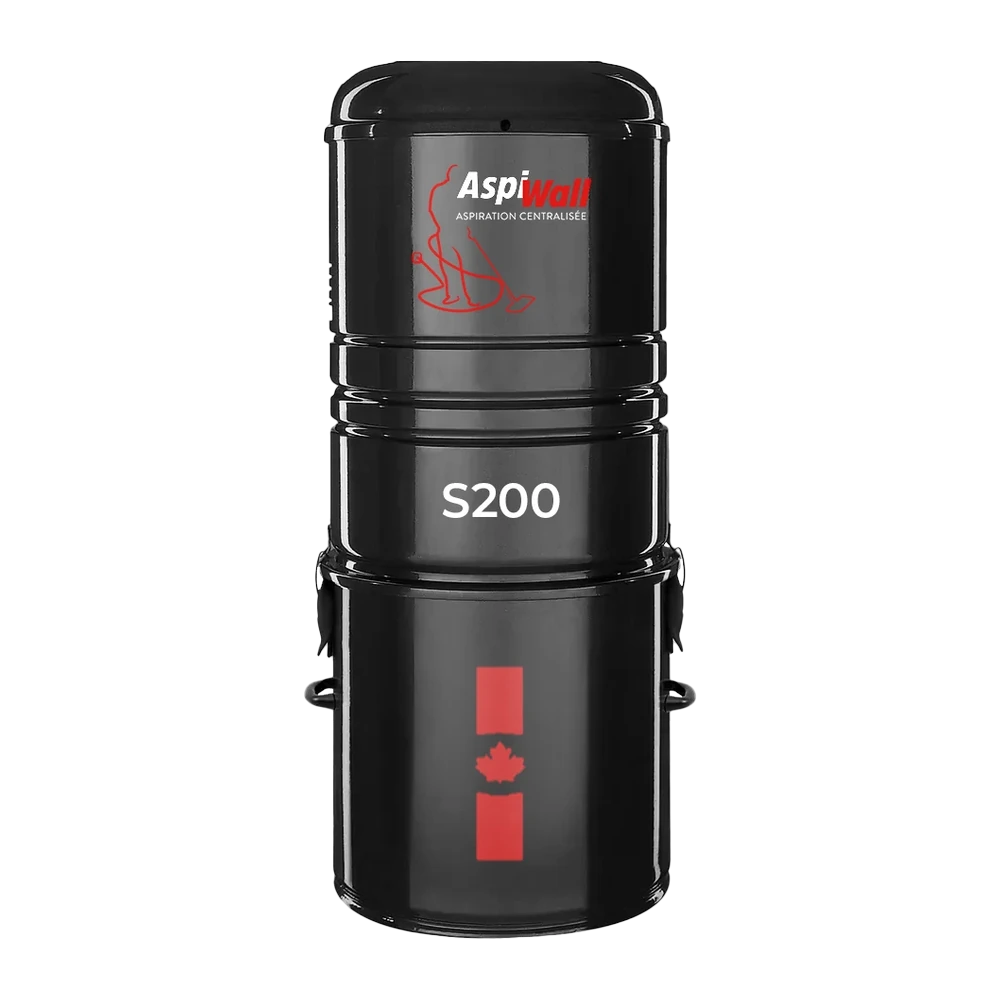
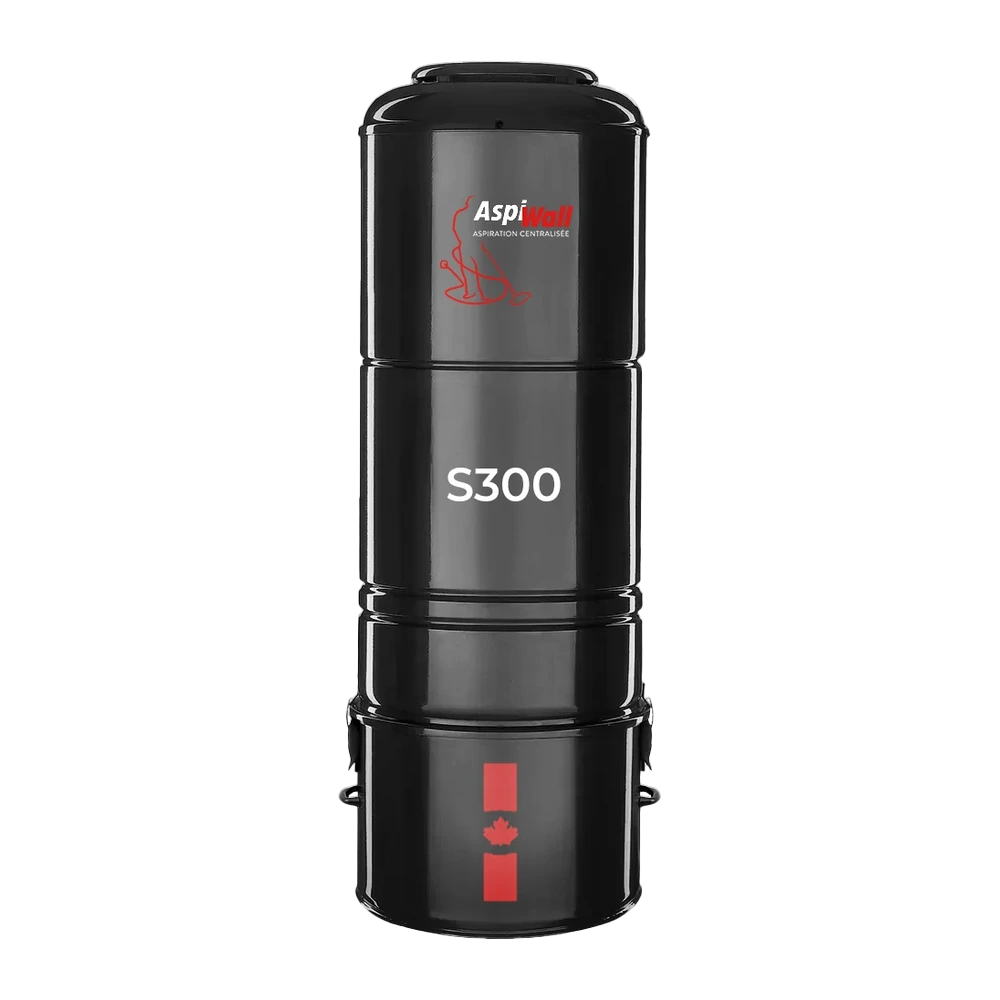
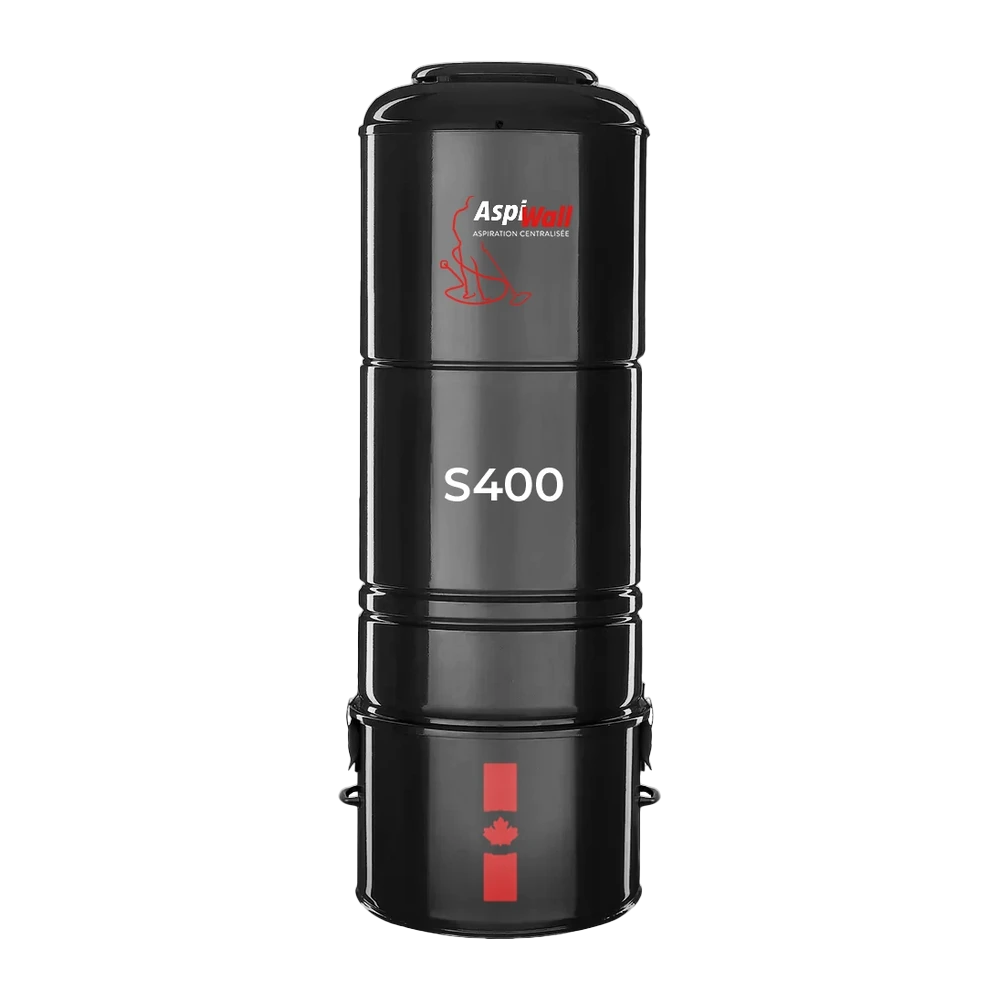
AspiWall offers central units in Belgium made by Trovac, among other manufacturers. Trovac's central vacuum system has been distinguished by AFPRAL (the French Association for Allergy Prevention) since July 2014. An important reference for buildings where air quality, dust, dust mites and allergens are sensitive matters.
— An asset to highlight
A visible argument
for your clients.
Your establishment can promote this installation as a real plus: AspiWall central vacuum system, made by Trovac — among other manufacturers —, a manufacturer distinguished by AFPRAL. The vacuumed air is expelled out of the occupied areas, which limits the re-suspension of fine dust, dust mites and allergens.
« Establishment equipped with an AspiWall central vacuum system, made by Trovac. The vacuumed air is expelled out of the occupied areas to limit the re-suspension of fine dust, dust mites and allergens. »
— Frequently asked questions
Your questions.
Our answers.
Is the suctioned air blown back into the treatment room?
No. The vacuumed air is never blown back into the treatment room: it is discharged where the central unit sits, placed away — a utility room, a ventilated crawl space or outside, depending on the installation. There is therefore no recirculation of fine dust near patients or in the treatment room.
Which hose for professional use?
The hose type — retractable or traditional — is determined on site depending on use. In a medical or dental practice, AspiWall advises the solution best suited to your layout and to your hygiene requirements between rooms or patients.
Does a central vacuum replace surgical dental suction?
No. A central vacuum is intended for cleaning floors and surfaces (dry dust). On request, AspiWall also offers wet & dry systems (water and dust), with a tank to empty or automatic drainage. It does not replace the surgical or saliva suction systems built into the dental chair, which are specific medical equipment.
Is the cleaning discreet for the waiting room?
Yes. The motor sits in a utility room, away: vacuuming is far quieter than a canister vacuum, preserving the calm of the waiting room and consultations.
Can a practice already in operation be equipped?
Yes, depending on the layout of the premises. Contact AspiWall for a feasibility study tailored to your practice.
A practice with impeccable hygiene?
AspiWall studies your practice and supplies your central vacuum across Belgium. +32 470 71 22 22 · info@AspiWall.be